STORM DAMAGE CLAIMS
Oklahoma Storms Can Damage More Than Your Roof
Hail. Wind. Driving rain. Fallen debris. A severe storm can affect multiple components of a property during a single event.
Yet storm claims are often reduced to one question: “Is the roof damaged?” The better question is: “What was damaged by this storm, and what is reasonably necessary to restore it?”
Storm Damage Can Affect the Entire Property
A thorough storm damage evaluation may involve:
- Roofing
- Shingles or roofing membrane
- Ridge and hip materials
- Flashings
- Gutters and downspouts
- Metal components
- Siding
- Windows
- Window screens
- Exterior paint
- Fascia and soffit
- Fencing
- HVAC components
- Garage doors
- Interior ceilings and walls
- Commercial roofing systems
- Exterior building components
Damage maybe obvious, subtle, or disputed.
Hail Damage
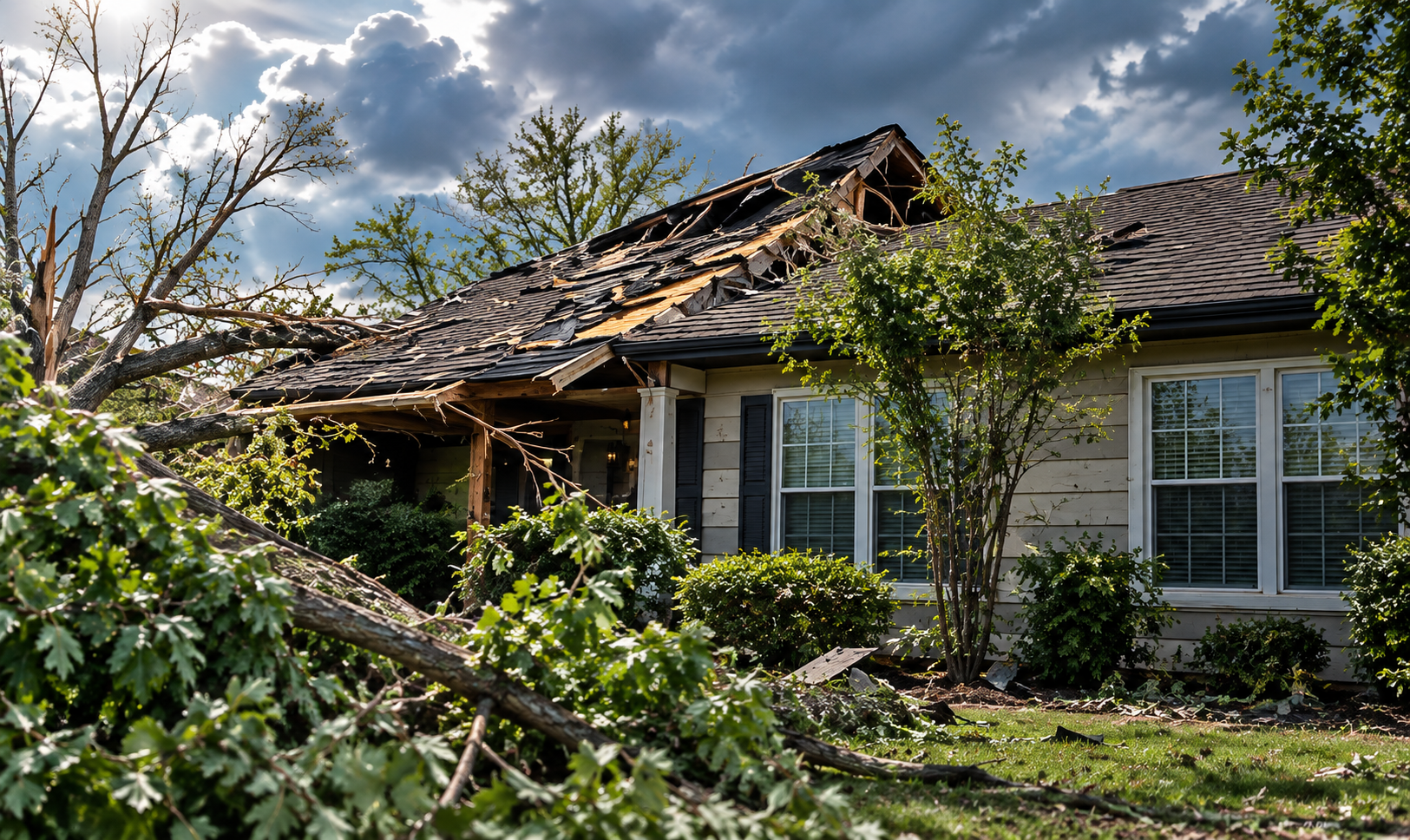
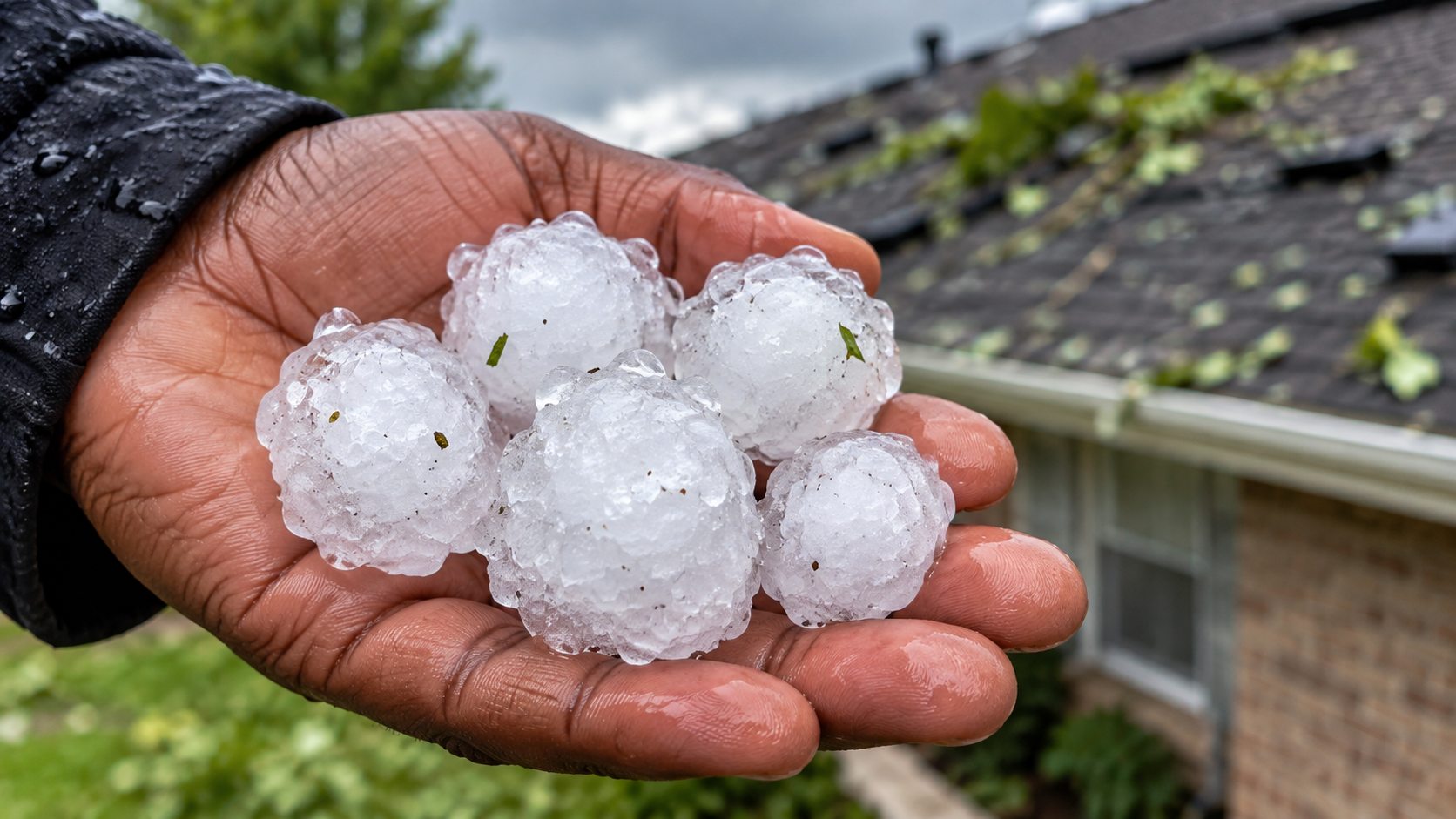
Hail can affect different materials differently. Damage should be evaluated based on the material involved, storm conditions, physical evidence, manufacturer considerations, repairability, and the overall condition of the affected component.
Wind Damage
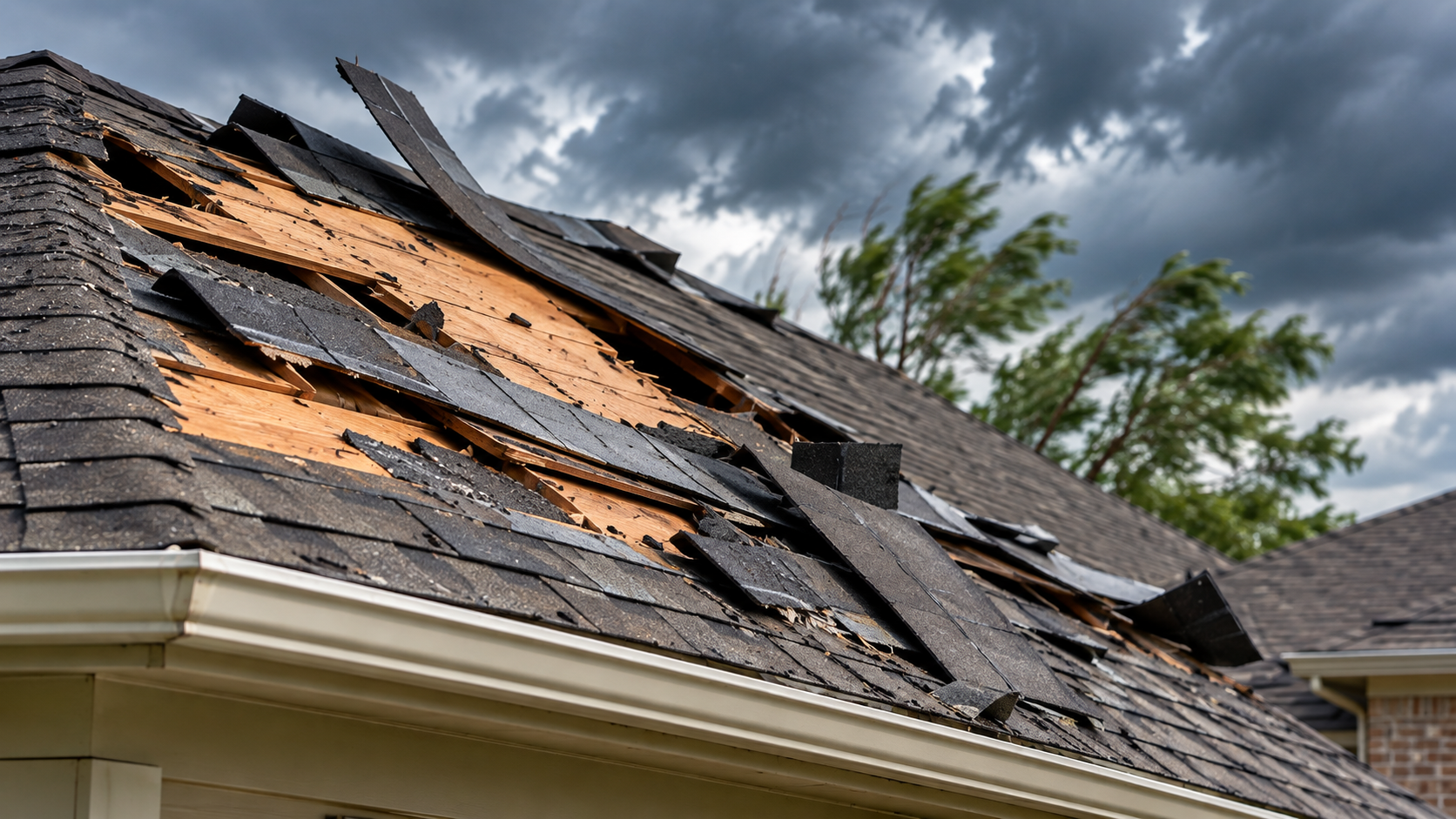
Wind can lift, crease, loosen, tear, or remove roofing and exterior materials. The damage isn’t always limited to what has completely blown off the structure. Determining whether a repair is practical may require consideration of the surrounding material and the ability to perform the repair without causing additional damage.
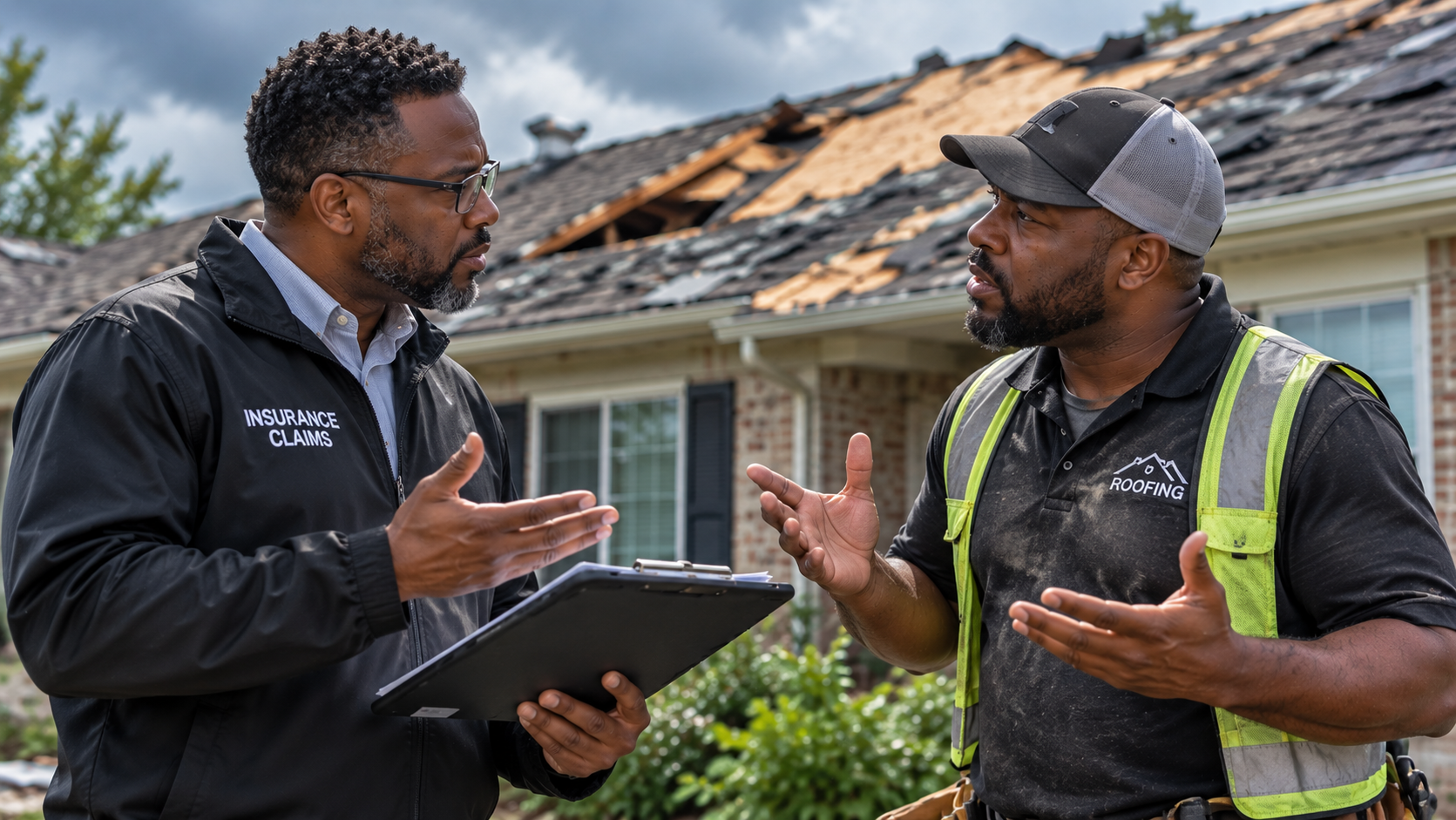
When the Insurance Company and the Contractor Disagree
This happens frequently. The contractor may identify work necessary to perform the repairs while the carrier estimate contains a smaller scope. That doesn’t automatically mean either side is correct. It means the differences need to be identified, documented, and evaluated.
We look at the claim through the
Coverage
What damage has the carrier acknowledged and what does the policy provide?
Condition
What physical storm-related conditions are documented?
Restoration
What work is reasonably necessary to repair the covered damage?
Was Your Storm Claim Denied or Underpaid?
A denial or initial estimate doesn’t necessarily answer every question about a claim.
Depending on the circumstances, additional documentation may support further review.
This could include:
- Photographs
- Contractor findings
- Weather information
- Measurements
- Repairability documentation
- Manufacturer information
- Code requirements
- Estimates
- Inspection reports
- Additional damage discovered during repairs
Before You Repair, Understand Your Claim.
The J Group helps Oklahoma property owners understand what's included, what's missing, and what questions should be addressed before moving forward.